Selecting the appropriate paper for printing planner inserts can significantly impact both functionality and user experience, a consideration that many planner manufacturers prioritize when designing their products. This guide explores various paper options, their characteristics, and how to match them with your specific planning needs.
Understanding Paper Weight and Thickness
Paper weight, measured in GSM (grams per square meter), is a crucial factor when selecting paper for planner inserts:
- 70-80 GSM: Standard copy paper; economical but may show through with heavy ink
- 90-100 GSM: Improved durability with minimal show-through
- 120-160 GSM: Premium option offering excellent durability and minimal bleed
- 160+ GSM: Card-like thickness, suitable for covers or dividers
The higher the GSM number, the thicker and more durable the paper will be, though this also impacts the bulk of your planner.
Paper Types and Their Applications
Standard Copy Paper
Readily available and budget-friendly, standard copy paper (70-80 GSM) works adequately for temporary inserts or when cost is a primary concern. However, it may not stand up to frequent handling or heavy writing.
Premium Inkjet Paper
Designed specifically for detailed printing, premium inkjet paper (90-120 GSM) offers improved color reproduction and crisper text. This option is ideal for inserts featuring images, color coding, or detailed designs.
Cardstock
At 160-300 GSM, cardstock provides exceptional durability for frequently accessed sections like dividers, dashboards, or covers. While not suitable for all inserts due to bulk, it excels in high-wear applications.
Specialty Papers
Several specialty options deliver unique benefits:
- Stone Paper: Water-resistant and tear-resistant
- Cotton Paper: Luxurious feel with excellent ink absorption
- Recycled Paper: Environmentally conscious option with unique texture
- Coated Paper: Smooth finish that enhances color vibrancy
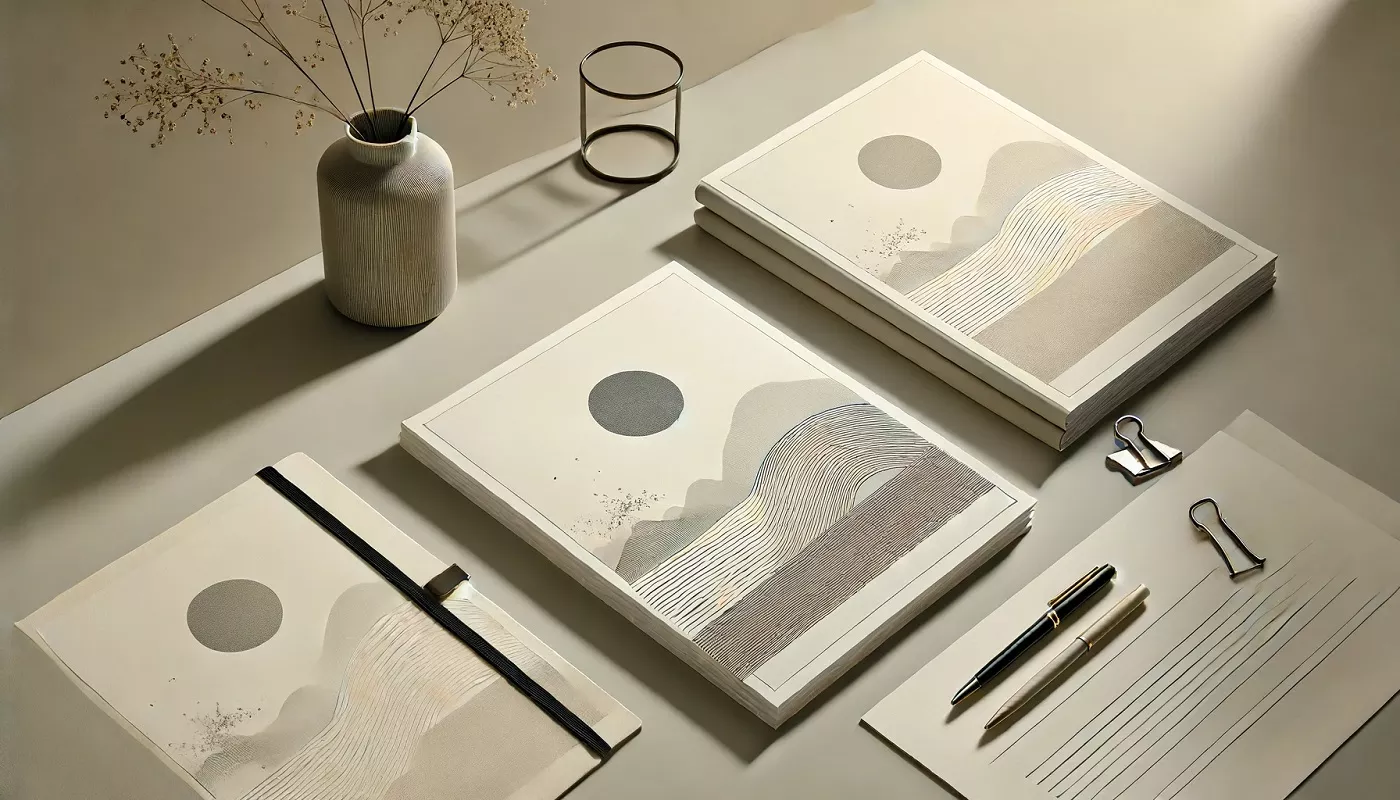
Recommend: What Paper to Print Planner Inserts
Practical Considerations for Planner Inserts
Writing Experience
Consider which writing instruments you’ll use:
- Fountain pens require absorbent paper to prevent smearing
- Gel pens perform well on smoother surfaces
- Ballpoint pens work across most paper types
Double-Sided Printing
For maximum efficiency, select paper that minimizes show-through:
- Opt for at least 100 GSM for double-sided printing
- Consider opacity ratings when available
- Test before committing to large print runs
Binding Compatibility
Different binding systems have specific paper requirements:
- Disc-bound systems work best with heavier paper (120+ GSM)
- Ring-bound planners accommodate various weights
- Stapled or stitched bindings may require more flexible paper
Testing Methodology
Before committing to a specific paper for your planner inserts, implement this testing process:
- Print sample pages on different paper options
- Test with your preferred writing instruments
- Check for bleed-through and ghosting
- Evaluate durability by simulating regular use
- Consider how the paper feels in your hands
Environmental and Cost Considerations
Balancing quality with sustainability and budget constraints:
- Higher GSM papers typically cost more per sheet
- Recycled options offer environmental benefits
- Bulk purchasing can reduce costs for frequently used inserts
When seeking professional printing services for your planner inserts, consider working with specialized printing companies like GoBookPrinting, which offers expertise in selecting the right paper stock and printing specifications to match your exact planner insert requirements and quality expectations.