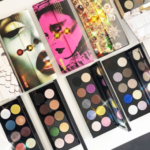
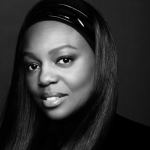
Ayanna Pressley: My Hair Speaks Volumes

By Thea Gay

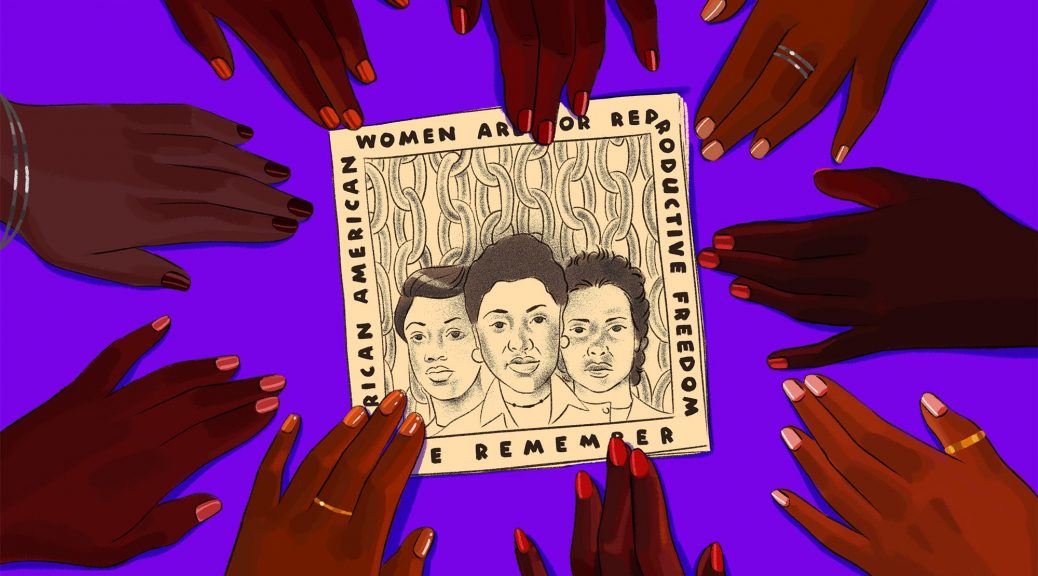
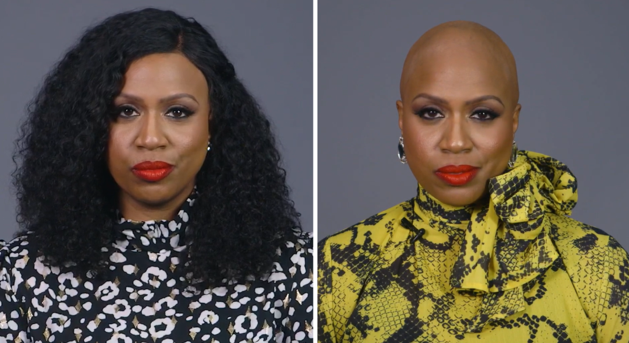
Congresswoman Ayanna Pressley  of Massachusetts’s 7th congressional district recently came forward about her natural hair journey. It’s a story of love, loss, healing, and acceptance as she herself has had to come to terms with what her hair means to the world and to her image.

In January of 2020, Pressley came forward about her struggle with having alopecia (sudden hair loss). Pressley speaks on behalf of the journey that all Black people deal with as natural hair has always been seen as defying and even defiant. For years, Black hairstyles––especially on Black women––have been criticized as “ghetto” and unprofessional. Hair for Black women, regardless of if you have it or not, is political.

Learning to love your hair is a process, and when you do it’s so empowering. But losing it can feel like you’ve been robbed of the opportunity to reach self-love. Pressley’s decision to speak out comes from her passion to represent her community and others living with alopecia, and also to find healing within herself. By learning to accept who she is for how she is, Pressley openly wears her hair bald. This short poem is inspired by Pressley’s journey, her passion, and her continual leadership to never let someone else tell her story unless herself.

I am not what you think

But I am all that you are

My hair is my weapon

My personal tool

My ability to be free from the reigns of your rule

No matter how it chooses to be, it sends a message to be known

Something that needs to be heard, more importantly shown

It’s careful, powerful, and strong

My blackness is my beauty even with no hair at all

pressley

Photo Credit: The Root

Harry Styles and the Fine Line Between Journalism and Intrusion

By Avery Serven

 About a month ago, I saw an interview with Harry Styles in The Guardian. In the interview, the writer was incessantly asking Styles about his sexual orientation and all the details surrounding it. They pointed out that the cover of his latest album, Fine Line, features the bisexual pride flag colors: pink, purple and blue. Styles responded by saying that he chooses colors and aesthetics based on the fact that he wants things to look a certain way, not because of their meaning or implication.

 The interviewer also directly asked Styles about his sexuality, to which Styles asked why that would be a question in the interview. He went on to say that it shouldn’t matter, stating “‘It’s just: who cares?’”.

 By the end, the interviewer had probably got the hint that Styles was a bit confused by his questions, so he asked if any of the questions had bothered Styles. He replied with: “‘What I would say, about the whole being-asked-about-my-sexuality thing – this is a job where you might get asked. And to complain about it, to say you hate it, and still do the job, that’s just silly. You respect that someone’s gonna ask. And you hope that they respect they might not get an answer.’”

 This interview really bothered me, and I thought about it for a while after I read it. I was not only bothered by the interviewer grilling Styles about his sexuality (because he’s right- it’s nobody’s business), but also by the fact that Styles said he knew he would be asked because of his job. Why is that? In my mind, it is so intrusive to ask that question of anyone, celebrity or not. He’s right that it is nobody’s business, but it also shouldn’t matter. I believe we ought to live in a world where sexuality is not something that should be labeled or questioned, but just accepted. It is what it is, and it should only matter to each individual- not the media, nor the tabloids, nor one’s fans.

 I believe Styles took this interview in stride and handled the situation quite well considering the fact that the interviewer was clearly crossing a line. For the future, I urge fellow writers as well as those in the media to stop forcing celebrities to label their sexuality. It is the business of no one except the celebrity, and it endorses a culture of outing, labelling, and confining sexuality. Allow everybody to make their own private decisions about their life and way of living, free of labels. Once we start endorsing a culture that does this, the world will be a better place for all human beings.

 Sources:

https://www.theguardian.com/music/2019/dec/14/harry-styles-sexual-ambiguity-dating-normals-rocking-a-dress

Unfair and Not Lovely

By Riya Gopal

My earliest memory that I can recall is trying to figure out why the terms “dark” and “beautiful” were inversely related. During frequent trips to India with my family, posters of light-skinned women littered each billboard, advertising a brand called Fair and Lovely. I remember feeling confused, noticing a disconnect between the porcelain models on the poster and my own darker complexion. Why were there no models with my skin color on the billboards? I asked my mother what Fair and Lovely was, and she explained to me that it was a bleaching product that whitens skin. Having grown up in the US with its white-washed media, this revolting product somehow made sense to me.

Since then, I felt incredibly insecure in my darker skin, believing that beauty was only achievable through being light. My aunt would chide my mom for letting me play in the sun, as it made me tanner. Boys at school started telling me I was “pretty for an Indian.” I would watch Bollywood movies that seemed to only cast actors based on how white they looked. I had the audacity to believe that fairness of skin tone equated to how lovely you were, and I let it consume me for years.

The Fair and Lovely epidemic is not specific to India. According to a recent study published by World Health Organization, 77% of Nigerian women have admitted to using skin lightening products. Why is this product so prevalent? The colorism connoted in the ads for these products portrays lighter skinned people as more desired and successful. The psychological implications of this are serious, with young women facing low self-confidence that negatively impacts their personal and professional successes. Such beauty standards can essentially direct the course of someone’s life, making them feel too worthless to pursue certain goals.

The bottom line: change needs to be made in the societal perception of beauty and product marketing. I think a lot about how I want the prevalence of colorism to change for the next generation. I think a lot about my future children, and it is scary to consider how this standard of beauty will make them feel in their own skin. I am terrified that whiter people will persistently dominate the workplace, and that the dark-skinned children of future generation will be too scared to pursue their dreams. As women of color, we have the right to sovereignty over our bodies, and the right to unapologetically embrace our melanin. Dark is lovely.

ASHES TO ASHES

A Prose Poem by Mackenzie Arnold

“Beloved,” he spoke, with eyes that looked to me and then to the black bible open in his hands so that he could taste the word of God in his mouth again. “I urge you as sojourners and exiles to abstain from the passions of the flesh, which wage war against your soul. First Peter. Chapter Two. Verse Eleven.” He had to part his jaw like a gasp, teeth grazing bottom lip, tongue rolling to form the words, “passions of the flesh.” I thought they sounded so romantic until it was my flesh that he wanted.

Afterwards I burned my own bible, and I stayed to watch the ashes stir until I realized that they must have done the same at the end of all the witch trials. The fire was already out, but tears fell from my eyes anyways and so I cried in bitter irony. I imagined they were holy water—the tears—and as they ran down my cheeks I parted my lips so that they could wash his hypocrisy from my tongue.

I realized too late that it was not God I wanted to burn, but the one who liked the taste of God’s words in his mouth—if only to trick himself into thinking that he was                                                                                                                                                                  Divine.   

---------

Abstract:

I never thought much about religion as a child. Despite growing up just outside of Dallas, Texas, where mega-churches and celebrity pastors reign supreme, I remained largely untouched by the dogma of these institutions because my family simply didn’t go to church. When I began high school at a private Christian academy though, I was suddenly plunged into a very suffocating environment that made it very apparent that my existence as a girl, and any form of feminine sexuality, was wrong. 

I wrote this prose poem in hindsight, looking back on my experiences in a place that was supposed to educate me, and yet insisted upon waging war on my body. In my poem, the emphasis is on the hypocrisy of the male figures I encountered during that time, and how confusing it was to be both punished and desired for my body—of which both outcomes were somehow my fault, and because of which it was often hard to distinguish between the two in the moment. These experiences led me to hate religion and any type of spirituality in general, and it’s taken me a long time to realize that it’s not these beliefs that are toxic, but some of the people that practice them. I now find it gratifying to be able to use spirituality and what I suppose you could call religion, which was so often used to shrink me, as a way to empower myself—especially as a woman.

Five Great Female-Curated Podcasts

By Thea Gay

Looking for something interesting to listen to? Although it can be hard to find a podcast amid the more than 30 million episodes of podcasts to listen to, this list delves into 5 great podcasts centered around intersectional feminist history, issues, and health. This list compiles some of the best female curated podcasts available on either Stitcher, Spotify, or Apple Podcasts.

1.) The History Chicks

history chicks

Dynamic duo Beckett Graham and Susan Vollenweider cover the history of women throughout all time periods and in folklore. They do so through the analysis of historical and factual evidence explained throughout the podcast and through the show notes. Beginning with an introduction and overview Beckett and Susan explore the lives of women who changed the course of history like Phillis Wheatley, Ching Shih, and Hypatia of Alexandria.

2.) Reset

reset

Curious about how the world of tech is changing how we live? From algorithms that push certain interests to the increase of robotics in the workforce, follow the reporting of Arielle Duhaime-Ross, a Vox Media reporter searching for the truth in how every story essentially becomes a tech story. Some topics covered so far in the show are: Instagrams war on nipples (specifically those they identify as female) and how Google is attempting to make its Pixel 4 better at scanning Black faces.

3.) Unladylike

unladylike

In Unladylike, another feminist empowered duo, Cristen Conger and Caroline Ervin, dive into uncovering the truth about the inequality faced by women, girls and gender-nonconforming folks everywhere. Cristen and Caroline cover topics like politics, cursing, and body hair, with special guests such as Rain Dove, Geena Davis, and Elaine Welteroth.

4.) Boom Lawyered!

boomlawyered

Law nerds listen up! This podcast is for you or anyone else interested on the impact of court cases and legislation in the United States. Follow legal experts, Jessica Mason Peiklo and Imani Gandi, as they investigate how the legal system works, look at important issues that take place in courts, and how these issues will then go onto to change our lives. The legal analysis spans across topics regarding: the Bathroom Panic, The 1964 Civil Rights Act, and Abortion Rights.

5.) Confidently Insecure

confidentlyinsecure

Take a look into the life of Buzzfeed’s Kelsey Darragh as she learns the stories of badass women in history and reveals the dynamics of her life as a bisexual woman in an open relationship. Kelsey is not afraid to admit she doesn’t know everything, and that’s why she takes her listeners through a wide range of topics to learn with them. Through interviews and her own life experiences Kelsey talks about having HPV and anxiety, and the humanization of sex work.

A Long Road for Women in Politics: How 25-Year-Old Kinn Badger is Paving the Way

By Sabrina Schnurr

“You're saying no because you're bitchy.”

Most high school students spend their weekends sleeping in, catching up on homework or spending time with friends. Kinn Badger, however, spent her weekends in Illinois and Georgia knocking on doors and walking in parades with senators.

After graduating from American University, Badger immediately hopped onto the campaign for Jon Ossoff for Congress; her efforts in the special election hoped to disrupt the long-safe Republican seat in Georgia’s 6th District. Although Ossoff was later defeated in a runoff election, the campaign broke national fundraising records for a U.S. House candidate (according to the New York Times), and it was the closest a Democrat had come to winning the 6th District since 1992.

Despite the loss, Badger drove 600 miles from Georgia to New Jersey to work on Vin Gopal’s 2017 campaign for New Jersey Senate. Months later, Gopal became the first Indian American to be elected to the New Jersey Senate, and his victory was described by NJ.com as “perhaps the biggest upset of the night.”

Badger, 25 and also Indian American, now serves as the executive director of the Monmouth County Democrats, where she is responsible for organizing all Democrat candidates and fundraising across the county’s 53 municipalities, 4th and 6th Congressional Districts, and four districts in the New Jersey Legislature.

Below is a segment of my interview with Badger, in which we discussed being a woman in politics and other issues she’s interested in pursuing.

Sabrina Schnurr: Do you think being a young woman has affected your experience in this position?

Kinn Badger: 100 percent. Definitely. I mean, people are sexist. Even within the Democratic Party. You feel it anywhere.

SS: How has that [sexism] been manifested?

KB: A lot of that is because there has only been male executive directors for a very long time. There was one woman over 10 or 15 years ago. Obviously ,the way I look has impacted me greatly. I've been called an intern, or told that I have no experience because I'm not from New Jersey.  Maybe people are intimidated? I mean, that's a baseline of why I think someone would say those things to me. I've been called many names on the job—names that I know men would not be called. It's because a lot of times I tell them no, and the easiest way for them to deal with that is to say "Oh, you're saying no because you're bitchy." Bitchy is the classic one I get. Or when I say something, they respond, "Why is your attitude like that?" And my attitude is fine. I don't know what they’re referring to. Sometimes, they call me aggressive—oh, that's a classic! "You're so aggressive." No, I'm being assertive.

SS: How do you deal with getting called names?

KB: Well, it depends on the situation. Sometimes I'll say something back. But most of the time—I hate that I have to say this—I just let it go. It makes my job a whole lot easier when I don't have these hiccups. And it sucks because as a young woman—and a young minority, democratic female—a lot of the times I'm like, "This just makes my job 10 times harder." Because it's not going to go away. We’ve normalized this in the workforce no matter what career you're in. It's unfortunate.

SS: What do you think you would be doing if you weren't working in politics?

KB: That's a tough question for me because this is my life, and it's been my life for a very, very long time. I know this is probably a cop-out answer, but I would probably be more into advocacy work. I think politics and advocacy work well together, they go hand in hand. So that's why I said it was kind of a cop-out answer. I've always had an interest in Planned Parenthood, being a young woman. And especially with the change of climate right now regarding women's reproductive rights, I think that's a huge initiative that I would like to be a part of. It’s a part of my current career, but I don't get to spend as much time on it as I'd like.

SS: There’s a Planned Parenthood at the end of our campus in Boston, and there are protests out there that people have to walk through on their way to class, and it's not something you generally expect in Boston.

KB: Boston is a little more progressive than most areas. I've seen it, too, though. I've volunteered as one of those people that help bring other people into Planned Parenthood through the protests a couple of times before. It's really hard because Planned Parenthood has so many services besides abortion services, and most of the time women are coming for other services, but are judged for the former.

SS: What do your family and friends think of your job? I can assume your family's very supportive because it's been your life, but what do your friends think?

KB: It's really weird because a lot of my friends are in politics. So of course, they're really supportive. My friends who are not into politics or who have been my childhood friends for so long, they're just like, "Well, this is you. This is just what you love to do.” They say, “When I think of Kinn, I think of her trying to elect all these Democrats. That's just what she's always done her whole life." My friends have always been super supportive. Since 2016, I think my friends have changed in the sense that I don't interact with the ones that I don’t align with politically. I think this has happened because of my job and because it's hard to argue with them when this is what I do for a living. And they're like, "Well, but that's just not true." And I'm like, "But I do this for a living, and here are the facts to prove it." And they're like, "See, you're so into MSNBC and CNN." And I'm like, "Oh my goodness, that's not what this is at all." Right? I've definitely shifted towards having friends that align with me politically, maybe because of convenience or maybe it's because I know I'm going to be supported by them.

SS: Do you plan on running for office in the future?

KB: If I ran for office, I would want to run within my community. The Board of Ed[ucation] is something I've been looking into. I would not run for any sort of higher office because I work with candidates every single day, and I always say staffers make the worst candidates because you know everything that's happening behind the scenes. You're worried and focusing on all these things that are supposed to be happening behind the scenes when your main concern should be talking to voters and going door-knocking or making phone calls. So I would make a terrible candidate because I focus on all these other things, like how much money is in our bank account, or what's the theme of our next direct mail, or what's the opposition doing and all this other stuff rather than focusing on just trying to talk to my constituents. So I really, really like being behind the scenes.

We need more people supporting candidates and people running for office becoming staffers. It really isn't for everyone. I also say that I cuss way too much to be an elected official, but I really do like supporting people. Being an elected official is hard. You're constantly “on” all the time. I see this a lot, especially with [New Jersey Senator] Vin [Gopal]. He is just “on” everywhere he goes, whether it's just a quick bite to eat with his wife and someone spots him or just walking outside and constantly being “on.” That's so exhausting, and I know for myself, I just couldn't do that. I love people, but sometimes I'm also like, "All right, I'm done for the day."

Badger has no plans to run for office herself. Staffers make the worst candidates, she says, because they focus too much on logistics when their main focus should be talking to voters.

“I also cuss way too much to be an elected official,” Badger said.

Over the past 18 months, she has learned to embrace the responsibilities of a job she once found intimidating.

“I don’t think I'm a person who needs to have a gold star every time, but it’s the little things, such as when people come up to thank me,” said Badger. “That's why I do it.”

Princess Nokia’s “Brujas” is the Bitchcraft Anthem Everyone Needs to Listen to This Halloween*

*No broomsticks or pointed hats allowed

By Annie Jonas

I have been a longtime fan of Princess Nokia, and this Halloween, I think it’s important to talk about “Brujas,” a song which reclaims witchcraft and magic from European misappropriation.

Destiny Frasqueri, better known as Princess Nokia, is an intersectional feminist and rapper from New York City. Her discography is vast and diverse, ranging from Game of Thrones inspired music (“Dragon”), to body and hair positive anthems (“Tomboy,” “Mine”), to an ode for her Puerto Rican, Yoruba, and Arawak heritage (“Brujas”). Her most recent album, 1992, is an amalgamation of her love for New York City, passion for feminism, and connection to her Afro-Indigenous identity.

In “Brujas,” Princess Nokia calls out stereotypes of witchcraft and magic—broomsticks, pointy hats, and warts can stay in Hocus Pocus—and instead, embraces her ancestry:

I’m that Black-a-Rican bruja straight out from the Yoruba

And my people come from Africa diaspora, Cuba

And you mix that Arawak, that original people

I’m that Black Native American, I vanquish all evil

I’m that Black-a-Rican bruja straight out from the Yoruba

And my ancestors Nigerian, my grandmas was brujas

And I come from an island and it’s called Puerto Rico

And it’s one of the smallest, but it got the most people.

Basically, the song is one large middle finger to European/Western narratives which designate witchcraft and magic as threatening and malicious. Fittingly, the song’s bridge literally curses out this narrative (“Don’t you fuck with my energy”) and ends with Princess Nokia’s powerful identification as an unapologetic bruja who is “supreme.”

Check out the "Brujas" music video and read the lyrics here.

To accompany the “Brujas” music video, Princess Nokia created a short film titled Maiden, Mermaid, Well. The film spans just under two minutes, but despite its brevity, it conjures (pun not intended) a powerful message of ancestral pride, specifically, that which is female and matrilineal.

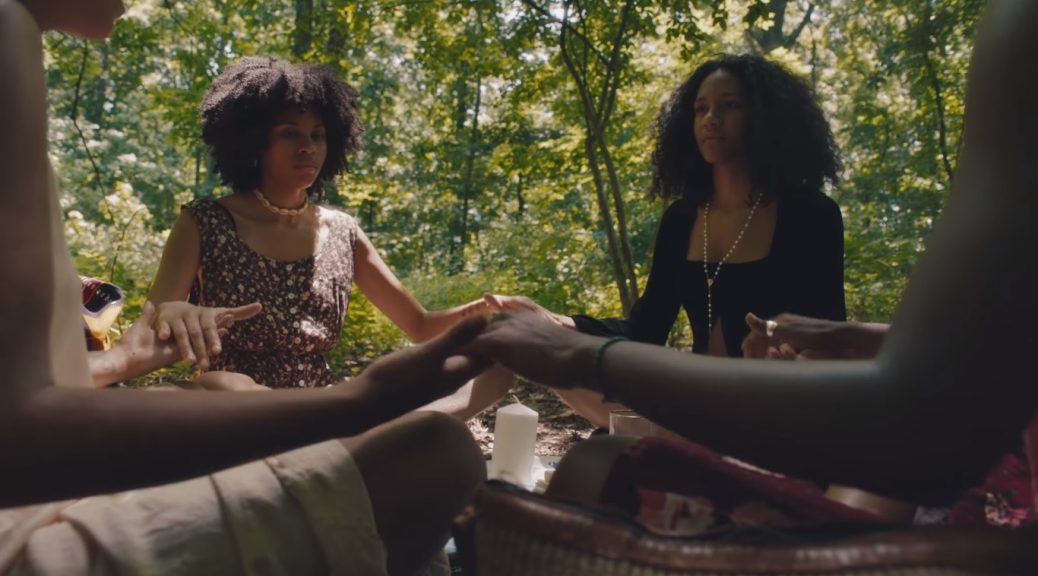
The film depicts Yemoja/Yemaja, the Ocean Mother Goddess in Afro-Caribbean religions like Yoruba, wading in water with Princess Nokia and other women, all dressed in white. The film is serene and spiritual, with Princess Nokia’s soft narration overlaid to further emphasize her earlier message in “Brujas” of pride in witchcraft and rejection of European/Western stereotypes:

My blackness is not shameful.

My religion is not a sin.

I do not worship the devil.

I’ve never practiced bad magic a day in my life.

My magic is not spiteful.

I do not use it for hatred, envy, or greed.

My beliefs are sacred

But I don’t carry a broomstick,

My nose has no warts,

And I hate to break it to you baby, but

There is no pointed hat.

Check out the film below.

I think “Brujas” and Maiden, Mermaid, Well are important to listen to and watch because we need to be aware of the ways dominant cultures likes Western culture can distort spiritual practices by BIPOC, such as magic or witchcraft, into something completely different, and often, perceived as “wicked.” This Halloween, please be mindful of this and make sure to proceed with caution when dressing up––remember that this is someone’s culture, it is not a costume.

OPINION: Why are the bodies of Black and Brown women still up for political debate?

By Johannah Coichy

This past month, Planned Parenthood, a reproductive health care service provider, formally announced its decision to forgo Title X funding. According to NPR, this decision was in response to the Trump Administration’s gag rule, which refuses to allot federal aid to organizations that provide abortion counseling. As a federal grant program whose sole purpose is to fund nationwide family planning and reproductive health care services, Title X gives roughly $260 million to reproductive healthcare clinics all over the US. One of the program’s main beneficiaries? You guessed it, Planned Parenthood.

While Planned Parenthood’s refusal to accept Title X funding grants them favorable publicity for being an organization that is unwavering in their advocacy for comprehensive abortion counseling as a necessary component to reproductive health care, their decision to refuse funding ultimately hurts the communities they so ardently claim to help: low-income Black and Brown women.

My issue with this debate is a rocky one: as a Black woman who is a staunch pro-choice feminist, I am forced to reconcile the fact that the United States has a painful history of monopolizing and politicizing Black bodies, particularly female ones. The overt defunding of Planned Parenthood via Title X is a race issue, as much as it is an issue of public health, and of gender.

In other words: it’s 2019, and my Black, female, body is still political real estate. 

I’m particularly frustrated that after already receiving disparate care as is, that Black and Brown women continue to suffer at the hands of lawmakers and corporate officials willing to barter and gamble with the health of those already underserved and underrepresented.

It has always been difficult to admit my frustration and dissonance surrounding this present issue of reproductive health care in America. I strongly believe that everyone regardless of socio-economic status, background and/or gender identity has a right to comprehensive reproductive health care, including but not limited to: the prescription of birth control, physical examinations, STD testing, and abortion procedures. I also admire Planned Parenthood as an inherently political institution, and their willingness to stand firm on their beliefs at any cost. PP’s diligence is admirable, but the cost (?) not so much.

While newly inaugurated Planned Parenthood president, Alexis McGill Johnson has made it clear that clinics will continue to operate as before, using fundraising and emergency funds to continue to serve patients, she has also publicly recognized that low-income, Black and Brown, particularly those in rural areas, will suffer the most as a result. Planned Parenthood patients can expect longer wait times, appointment delays, and having to travel long distances just to find care.

What’s worse is the intricate technicalities of both Title X policy and the demands of family planning clinics like Planned Parenthood. Title X has never, I repeat NEVER funded abortion procedures. And according to a 2013-14 annual report from Planned Parenthood, abortion services make up only 3% of the services they provide. The technicality is that Planned Parenthood at this point is advocating for the funding of abortion counseling, rather than the abortions themselves.

So let me ask you this:

Can Planned Parenthood justify the outright refusal of Title X funds on these numbers alone? In the same vein—is the fight against conservative legislators and the Trump Administration worth the long-term collateral of patients who in the meantime are facing significant impediments to the care they not only need, but deserve?

No. Right?

My conundrum is this:

Planned Parenthood as a political force? Bad ass.

Planned Parenthood as a progressive medical institution? Idk fam.

For me there has to be some sort of balance. And it seems as if Planned Parenthood has, very publicly, chosen the overarching politics over the patients themselves. Such has been done countless times throughout history, especially policy concerning Black and Brown individuals. As the legacy of our predominantly white, male political institutions seem to suggest, the U.S has a history of politicizing Black bodies, and overtly leaving marginalized groups out of the conversations that concern them most.

I’m no doctor, and I am no lawmaker, but I can see the impact of this decision, and I say enough is enough. And I while I currently have very wavering faith in our government and political institutions, I am calling on progressive agencies like Planned Parenthood to be intentional in their practice. Choose patients. Period.


Resources on Planned Parenthood, Title X, and what “Defunding” means

https://time.com/5655500/planned-parenthood-title-x-funding/

https://www.usatoday.com/story/news/2019/08/19/planned-parenthood-withdraws-us-family-planning-funding/2055302001/

https://www.washingtonpost.com/news/fact-checker/wp/2015/08/12/for-planned-parenthood-abortion-stats-3-percent-and-94-percent-are-both-misleading/

https://www.nytimes.com/2019/08/19/health/planned-parenthood-title-x.html


Featured image by Simone Noronha for NBC News

The Evolutionary Purpose and Significance of Anxiety in Women

By: Emily Cioch, Eleni Constantinou, Morgan Farrar, and Vartika Govil

Abstract

Anxiety is defined as a strong emotion or feeling that causes an individual to fear an event either in the present or in the future. This type of fear is often illogical and induces a number of symptoms, including increased heart rate, dizziness, and sweating. The causes and sources of anxiety, which is statistically more common in women than men, have evolutionary origins. In the Environment of Evolutionary Adaptedness (EEA), individuals feared stimuli such as venomous snakes, which threatened the viability of humans. The anxiety-like behaviors needed for survival in the EEA are in an evolutionary mismatch with current industrialized societies. Additionally, due to hunter-gatherer models present today, women in the EEA likely experienced higher levels of fear and anxiety-like symptoms in order to remain sensitive to their environment and protect themselves and their children. We propose that, due to the change in technical, professional, and personal expectations and stressors that women experience today, this predisposition to fearful thought has been over-amplified to produce chronic anxiety in women. To test our hypothesis that women in the EEA experienced a different and more mild form of anxiety, we propose to study the Aka people, a group of hunter-gatherers, in comparison to industrialized Bostonians. Through a set of observations and surveys, we hope to determine common stimuli that trigger anxiety between both populations, as well as the frequency of anxiety in men and women of both populations. Through conducting this study, we expect to find similarities in the broader types of fears and worries across populations, but differences in categories of fears and worries between genders. With such research, health providers will have a more complete understanding of why anxiety exists, which will pave the foundation for more effective approaches in treating the underlying mechanisms of anxiety across genders and populations.

Introduction

Anxiety, a prolonged sensation of stress and worry, is a phenomenon seen in approximately 19.1 percent of U.S. adults (NIMH »Any Anxiety Disorder). The disorder has a similar physiological response to fear, which prepares the individual for immediate action: muscle tension, increased respiration and heart rate, and a rise in blood pressure (Fredric 2014). Proximately, these bodily changes contribute to an ability to handle immediate stress, heightening alertness and a physical readiness to respond to threats. However, there is a significant difference between fear, which is an adaptive function, and the anxiety we see today. Fear is a normal response to an unconditional stimulus, usually something dangerous, while anxiety is the result of an individual linking a neutral stimulus to a fear-producing unconditional stimulus, thus causing that what was neutral to evoke fear (Marks and Nesse 1994). With the introduction of industrialized communities, humans today seemingly encounter a constant amount of environmental and mental stressors, which ancestral humans did not face. Although stressors present in our industrialized society are usually not as dangerous as the ones faced by our ancestors, anxiety and fear surrounding stressors relative to the EEA, such as snakes, spiders, and injury, are still present, suggesting that these fears are evolutionarily ingrained (Lebron-Milad et al. 2012).            

The earliest remains of modern humans, Homo sapiens sapiens, are approximately two hundred thousand years old and have a brain relatively similar to that of modern humans. In particular, the neocortex—the newest part of the brain and the region responsible for higher functions like sensory perception—was roughly the same size as it is today, which indicates it functions today in a way similar to that of our evolutionary environment. However, within the last five-hundred years, society has shifted to be more industrialized and into becoming a predominantly Delayed Return Environment. A Delayed Return Environment (DRE) functions in such a way that the reward, or outcome, of an action is not received immediately, a result driven by the rate of technological and societal development within the last one-hundred years. In contrast, the human brain evolved in the Environment of Evolutionary Adaptation (EEA), which is an Immediate Return Environment (IRE), where actions deliver instant, clear, and immediate outcomes (Scott 2013). A delay in outcomes paired with the human brain’s programming to be highly active and sensitive to stimuli creates a mismatch between modern industrialized society and humans today, as seen in the presence of high levels of anxiety. Stress and other traits associated with anxiety were useful functions in the EEA, because they helped individuals to survive and take action in the face of immediate problems (Daskalakis et al. 2013). Humans are biologically programed to give into a “fight or flight” mode in potentially dangerous situations, but our current lifestyle leads us to experience more stress and worry, thus feeling less in control of our environment (Bateson et al. 2011). When the rational brain is unable to deal with the stress of conspecific danger, primitive de-escalating strategies are activated and can present themselves as anxiety disorders (Bateson et al. 2011). Chronic stress was not experienced in the EEA since an IRE did not allow for long-term problems or stresses. Unfortunately, current industrialized societies often delay rewards until some point in the future, as well as prolong problems over long periods of time, thus creating uncertainty, and fueling anxiety (Clear 2016). One such example of this is the presence of income inequality, which is a social determinant of health and a large determining factor in causing anxiety in humans. Evidence shows that larger differences in social statuses lead to worse social relations. This contrasts to hunter-gatherer societies, which are largely egalitarian (Hewlett 1993). In these groups there is little to no competition amongst individuals regarding resources or status, allowing for extremely healthy social relations and thus decreasing anxiety. Industrialized societies unfortunately prioritize and compete over resources, wealth, and status, creating additional stressors that were not present in the EEA (Wilkinson 1999).

The properties associated with anxiety were likely present in some form in the early human ancestral environment, especially for women. Having a heightened sense of awareness and fear would have been extremely helpful, as women were responsible for gathering essential foods and supplies, as well as caring and protecting their children (Altemus et al. 2014). Research shows that the way a new mother acts can be linked with activities in prefrontal cortex, midbrain, parietal lobes, and limbic system. An increased activity is noted in these regions of the brain that control empathy, anxiety, and social interaction, indicating that the maternal feeling of overwhelming and consistent worry is a result of reactions in a mother’s brain (LaFrance 2015). Furthermore, while the primary physiological human stress response is considered to be “fight or flight”, behaviorally, females are more inclined towards the pattern of “tend-and-befriend” when compared to males. Tend and befriend is an attachment caregiving system that has shown to play a role in maternal bonding and child development, where tending includes activities and behavior directed to promoting safety by protecting the offspring , and befriending aids in this process by creating social relationships, especially with other females. Since females are usually the more invested parent, particularly under stressful situations, their stress response has evolved to maximize survival of both self and the offspring (Taylor et al. 2000).

 The onset of anxiety disorders peaks during adolescence and early adulthood, the same period at which ancestral females would start having children. There are also researched sex differences that promote reproductive success that likely increase vulnerability of women to mood and anxiety disorders. For example, adaptive behavioral differences in terms of childrearing seem to include, in females, superior social cognition and capacity for attunement with others, important for cognitive and social development of offspring (Altemus et al. 2014). However, these sex differences are also thought to result in women experiencing more sensitivity to rejection, criticism and separation, which are key features of anxiety disorders (Altemus et al. 2014). Additional research illustrates that although men generally have more traumatic experiences, including serious accidents, violence, and war, women are more vulnerable to situations that are unpredictable, such as sexual assault and abuse, which makes them more susceptible to anxiety disorders (Craske 2003).  Another study suggests that women have more persistent amygdala responses to negative material, especially familiar negative material, in comparison to men. This is correlated with negative mood, anxiety, and depression, thus suggesting that women might be biologically more vulnerable to anxiety (Andreano et al. 2017). This is further supported by studies that found men and women fear the same stimuli, but feel that fear in different ways (Lebron-Milad et al. 2012).

Taking these factors into consideration, we hypothesize that women in the EEA, due to environmental and social conditions, constantly considered the safety of themselves and of offspring. Due to the change in expectations and stressors that women experience today, this predisposition to fearful thought has been over-amplified to produce chronic anxiety.

Broader Impacts and Conclusion

Understanding the evolutionary explanation for causes of anxiety will allow scientists to focus on new research perspectives in the treatment of anxiety disorders in women. Currently, research has shown that the common practice of cognitive-behavioral therapy and pharmaceutical medication is not nearly as effective as once thought to be (Hoffman et al.2013). In fact, typical treatment often leaves remnants of anxiety that have debilitating effects later in life (Hebert and Dugas 2018). Considering the consequences of untreated anxiety on women today, it is necessary that more appropriate forms of therapy and medication be used to address the evolutionary basis from which anxiety stems. Because of the pervasive and constant nature of unnecessary fear, current treatments focus on addressing the tolerance of uncertainty and evaluation of fear-based worries. These new forms of therapy have shown to be incredibly effective in helping individuals eliminate almost all of their anxiety, and give them the tools to address any remaining anxiety. (Hebert and Dugas 2018). This effectiveness is also reflected in the success of practices of mindful meditation, as it allows individuals to take time to cope with their stress and stress hormones (Hoge et al. 2018). By examining the basis from which anxiety stems in women, that of fear necessary for survival of oneself and others, we are able to more accurately treat the mindsets that perpetuate anxiety, not just the symptoms or the surface level issues.

Furthermore, by understanding the differences in industrialized societies and the EEA, our society can better understand what triggers anxiety, and how to possibly minimize such triggers. After all, more women in industrialized societies generally suffer from anxiety in comparison to women who live in more egalitarian hunter-gatherer societies. For example, in industrialized societies where higher male status and power through a patriarchal organization underlies societal functions, women feel more pressure to subdue their emotions and are repetitively taught that they have less control over their lives, thus causing anxiety in women, which they are ultimately not allowed to express (Craske 2003). Furthermore, technology poses another threat to mental health, especially because humans evolved in a societal organization of approximately fifty people. Today, through technological advancements, humans now have access to almost seven billion individuals, a significantly greater amount of people than our immediate ancestors; the amount of negative information and other anxiety-inducting stressors have massively increased, adding to an already stressful world (Cartwright 2016).

With such information, our community has the tools to realize the dangers that our modernized society poses on women, and determine improved treatment for women to diminish anxiety. Women themselves can understand the cause of their anxiety when it occurs and can have better control over their lives, as well. More specifically, women from certain societies can utilize various techniques that will quell their anxiety, as well as have the ability to realize which specific stimuli may trigger their response. Through studying the Aka population and their anxietal triggers, as well as the prevalence of anxiety, anthropologists may better understand the impacts of the mismatch between the EEA and our industrialized society. Especially if, as hypothesized, the Aka people suffer from anxiety at a significantly smaller frequency than Bostonians, then perhaps industrialized people should attempt to adopt some of their cultural norms. For example, domestic violence is rare, and the society is egalitarian between men/women (Hewlett 1993).

The study of anxiety across populations and between genders can give us a broader understanding of the impacts the disorder has on different people and societies. Examining the evolutionary significance of anxiety, heightening awareness and preparedness for dangerous stimuli, allows for a in-depth perspective of how anxiety functions and therefore a more appropriate treatment of the mismatch between current industrialized societies and our genetic programming. Through examining the purposes and impacts of anxiety on women in the EEA and today, comparisons can be made to help further apply effective treatments on the uncertainty mechanisms driven by anxiety. Analyzing the evolutionary foundations to anxiety in women will change not only the treatment, but the social understanding of the impacts it has on all populations.


References

Altemus, M., Sarvaiya, N., & Neill Epperson, C. (2014). Sex differences in anxiety and depression clinical perspectives. Frontiers in Neuroendocrinology, 35(3), 320–330.

Andreano, J. M., Dickerson, B. C., & Barrett, L. F. (2014). Sex differences in the persistence of the amygdala response to negative material. Social Cognitive and Affective Neuroscience, 9(9), 1388–1394.

Anxiety Disorders. (2013). In Diagnostic and Statistical Manual of Mental Disorders. American Psychiatric Association.

Bateson, M., Brilot, B., & Nettle, D. (2011). Anxiety: an evolutionary approach. Canadian Journal of Psychiatry. Revue Canadienne de Psychiatrie, 56(12), 707–715.

Cartwright, J. (2016). Evolution and Human Behavior: Darwinian Perspectives on the Human Condition. London: Palgrave.

Clear, J. (2016, March 22). The Evolution of Anxiety: Why We Worry and What to Do About It. Retrieved February 25, 2019, from https://jamesclear.com/evolution-of-anxiety

Craske, M. G. (2003). Origins of Phobias and Anxiety Disorders: Why More Women than Men?Elsevier.

Daskalakis, N. P., Bagot, R. C., Parker, K. J., Vinkers, C. H., & de Kloet, E. R. (2013). The three-hit concept of vulnerability and resilience: toward understanding adaptation to early-life adversity outcome. Psychoneuroendocrinology, 38(9), 1858–1873.

Fredric, N. (2014, April 5). The Evolution of an Anxious Feeling. Psychology Today. Retrieved from http://www.psychologytoday.com/blog/fighting-fear/201404/the-evolution-anxious-feeling

Hebert, E. A., & Dugas, M. J. (2018). Behavioral Experiments for Intolerance of Uncertainty: Challenging the Unknown in the Treatment of Generalized Anxiety Disorder. Cognitive and Behavioral Practice. https://doi.org/10.1016/j.cbpra.2018.07.007

Hewlett, B. S. (1993). Intimate fathers: The nature and context of Aka pygmy paternal infant care. Ann Arbor, MI: University of Michigan Press.

Hofmann, S. G., Wu, J. Q., & Boettcher, H. (2013). D-Cycloserine as an augmentation strategy for cognitive behavioral therapy of anxiety disorders. Biology of Mood & Anxiety Disorders, 3(1), 11.

Hoge, E. A., Bui, E., Palitz, S. A., Schwarz, N. R., Owens, M. E., Johnston, J. M., … Simon, N. M. (2018). The effect of mindfulness meditation training on biological acute stress responses in generalized anxiety disorder. Psychiatry Research, 262, 328–332.

LaFrance, A. (2015, January 8). What Happens to a Woman’s Brain When She Becomes a Mother. The Atlantic. Retrieved from https://www.theatlantic.com/health/archive/2015/01/what-happens-to-a-womans-brain-when-she-becomes-a-mother/384179/

Lebron-Milad, K., Abbs, B., Milad, M. R., Linnman, C., Rougemount-Bücking, A., Zeidan, M. A., … Goldstein, J. M. (2012). Sex differences in the neurobiology of fear conditioning and extinction: a preliminary fMRI study of shared sex differences with stress-arousal circuitry.Biology of Mood & Anxiety Disorders, 2, 7.

Maeng, L. Y., & Milad, M. R. (2015). Sex differences in anxiety disorders: Interactions between fear, stress, and gonadal hormones. Hormones and Behavior, 76, 106–117.

Marks, I. fM, & Nesse, R. M. (1994). Fear and fitness: An evolutionary analysis of anxiety disorders. Ethology and Sociobiology, 15(5), 247–261.

McLean, C. P., & Anderson, E. R. (2009). Brave men and timid women? A review of the gender differences in fear and anxiety. Clinical Psychology Review, 29(6), 496–505.

NIMH » Any Anxiety Disorder. (n.d.). Retrieved February 28, 2019, from https://www.nimh.nih.gov/health/statistics/any-anxiety-disorder.shtml

Scott, J. (2013). An Evolutionary Perspective on Anxiety and Anxiety Disorders. In F. Durbano (Ed.), New Insights into Anxiety Disorders. InTech.

Taylor, S. E., Klein, L. C., Lewis, B. P., Gruenewald, T. L., Gurung, R. A., & Updegraff, J. A. (2000). Biobehavioral responses to stress in females: tend-and-befriend, not fight-or-flight. Psychological Review, 107(3), 411–429.

Wilkinson, R. G. (1999). Health, hierarchy, and social anxiety. Annals of the New York Academy of Sciences, 896, 48–63.

 

5 Black-Owned Makeup Brands To Keep On Your Radar

By: Hannah Xue

There’s no denying that our society is becoming increasingly racially conscious. Now more than ever, businesses are being held accountable for their politics and are heavily criticized when they make problematic statements.

For those unfamiliar with the industry, the makeup world might seem relatively removed from these issues. But in recent times consumers have demanded increasing diversity and representation from makeup brands.  

Several businesses have recently come under fire for offensive or insensitive messaging. Last July, Beautyblender released a foundation that was criticized for not carrying enough darker shades. In the same month, 3CE was accused of painting a model’s hand brown instead of using an actual dark-skinned model.

Rather than support makeup brands that fail to recognize the importance of inclusion, perhaps it may be better to invest in businesses that were built with diversity in mind. Black-owned makeup brands, aka B.O.M.Bs, were created to serve a historically marginalized group with products that meet their unique needs. Read on for a list of B.O.M.Bs that are currently killing the game.

  1. Fenty Beauty

Picture1

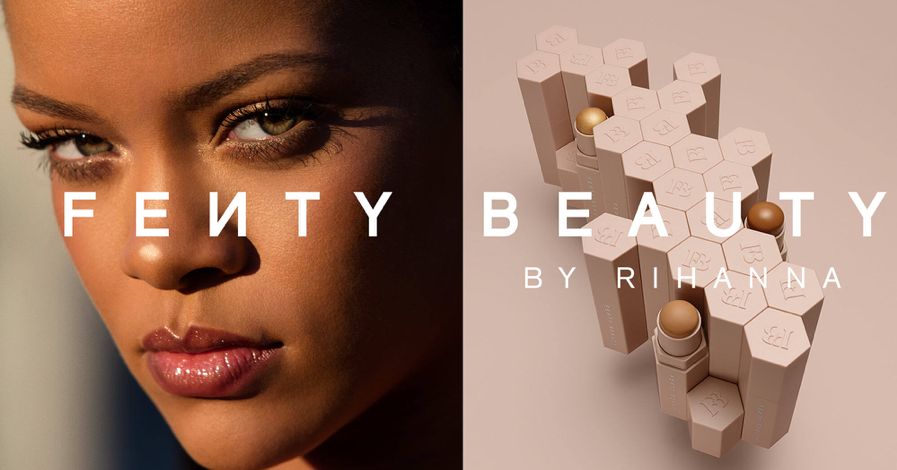
A conversation about representation in the makeup industry is incomplete without mentioning Fenty Beauty, Rihanna’s makeup line. Since launching with 40 shades of the Pro Filt’r Foundation in 2017, the line has truly set the standard for inclusion in beauty products. As Fenty Beauty’s tagline suggest, these products truly create “Beauty ForAll.”

2. Juvia’s Place

Juvia’s Place is well known in the beauty community for its highly pigmented eyeshadow palettes, which all retail for $20 or less. Chichi Eburu, who created the line in 2014, draws on her African heritage in the visual branding of her products; the brand’s most popular palette,The Nubian, features an illustration of Queen Nefertiti on the inside cover.

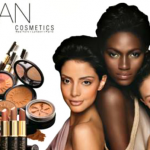
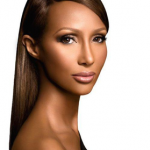
3. Iman Cosmetics

Created by legendary 90s model, Iman, Iman Cosmetics was founded out of the bombshell’s frustration of having to mix her own foundation for makeup artists to use on set. The brand was one of the first B.O.M.Bs to be carried in major drugstore retailers. In addition to makeup, Iman Cosmetics also carries skincare and beauty tools.  

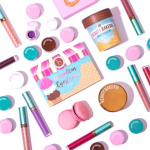
4. Beauty Bakerie

With product names like Lollipop Liner, Snickerdoodle Lip Gloss, and Cake Mix Foundation,Beauty Bakerie’s unique products sound just as phenomenal as they perform. CEO Cashmere Nicole, a breast cancer survivor, also uses her pink-themed business to support awareness of the illness she overcame.

5. Pat McGrath Labs

Once proclaimed by Anna Wintour as “the most influential makeup artist in the world,” Pat McGrath created her eponymous makeup for use by makeup professionals and novices alike. The artist’s distinctive editorial style is evident with products such as Blitztrance glitter lipstick and Fetisheyes mascara.

The makeup industry has quite a long way to go in terms of ensuring equitable representation for all of its consumers, but these black-owned businesses are doing their best to empower themselves and the communities they hope to serve.

a feminist media project